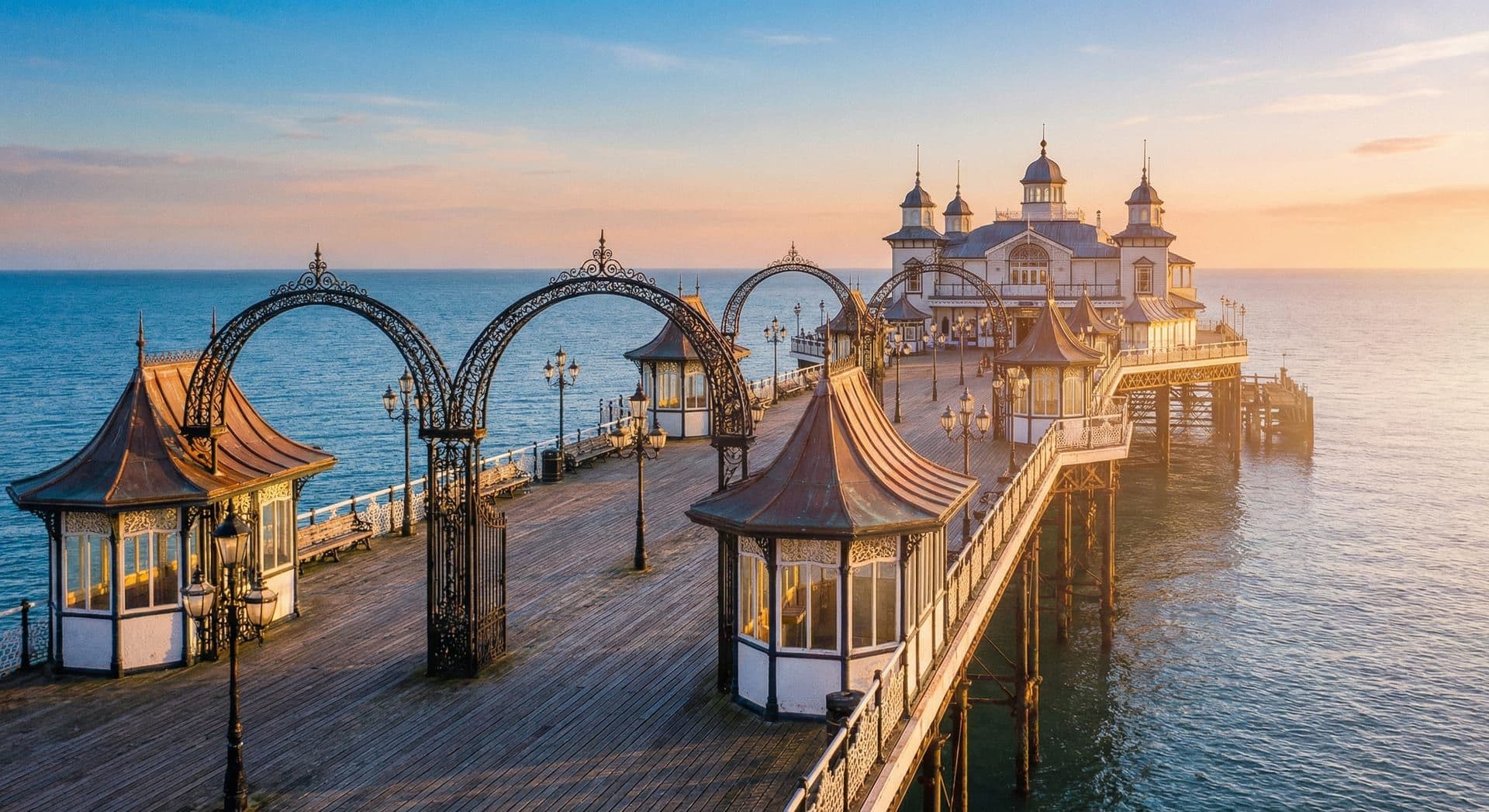
Southport Pier is the second longest pleasure pier in the UK, stretching over a kilometre out into the Irish Sea. It's the town's most photographed landmark, a magnet for tourists, and the centrepiece of Southport's seafront identity. When people think of Southport, they think of the pier.
And when they search for Southport, the pier features heavily. "Southport Pier," "things to do Southport," "Southport seafront": these are some of the most searched terms associated with the town. For businesses located near the pier, this is a significant SEO opportunity. But it's one that surprisingly few businesses are actually capitalising on.
This guide covers how to use Southport Pier as a local SEO anchor: turning the pier's physical prominence into digital visibility for your business.
Why Landmarks Matter for SEO
Google's algorithm understands landmarks. When someone searches "restaurant near Southport Pier" or "coffee near the Promenade," Google knows exactly where those landmarks are and ranks nearby businesses accordingly.
This is different from a standard "near me" search. Landmark searches are intentional: the person knows where they're going and wants businesses close to that specific place. This makes them extremely high-value searches for conversion.
Pier-Related Search Queries
- "Southport Pier"
- "Things to do Southport"
- "Southport seafront"
- "Southport Promenade"
- "Restaurant near Southport Pier"
- "Cafe on Southport seafront"
- "Hotels near Southport Pier"
- "Parking near Southport Pier"
The Pier as a Digital Anchor
Think of Southport Pier as a keyword anchor for your business. Just as the pier physically anchors the seafront, it can digitally anchor your online presence to one of Southport's most-searched terms.
How to Incorporate the Pier Into Your SEO
- Website copy: Naturally mention the pier in your location descriptions. "We're located just minutes from Southport Pier on the Promenade" is both useful to visitors and rich with local keywords.
- Page titles: If relevant, include "Near Southport Pier" in your title tags. A restaurant could use: "Fresh Seafood | [Restaurant Name] | Near Southport Pier."
- Google Business Profile: Mention the pier in your business description. "A 2-minute walk from Southport Pier" tells both Google and potential customers exactly where you are.
- Blog content: Write about the pier. "A Local's Guide to Southport Pier" or "What to Do After Walking the Pier" naturally ranks for pier-related searches and includes your business as a recommendation.
Pier Regeneration and the Opportunity Ahead
Southport Pier has been the subject of ongoing regeneration discussions and investment. Any development around the pier: whether it's new attractions, refurbishments, or events: creates a fresh wave of search interest.
When news breaks about pier developments, search queries spike:
- "Southport Pier development"
- "Southport Pier news"
- "Southport regeneration"
- "New attractions Southport"
Businesses that publish content around these developments: a blog post about what the regeneration means for the area, for example: capture that search traffic. This positions you as a local authority and keeps your website fresh with relevant content.
Regeneration Content Ideas
- "What Southport Pier's Regeneration Means for Local Businesses"
- "The Future of Southport's Seafront: A Local Business Perspective"
- "Why We're Excited About the Pier Development (And What It Means for Our Customers)"
Each of these ranks for development-related queries while naturally positioning your business as part of the story.
Tourism SEO: Capturing Visitor Intent
The pier is a tourism magnet, which means the people searching for it are often visitors: not locals. This changes the SEO strategy significantly.
Visitors don't know the area. They're searching for practical information:
- Where to eat near the pier
- Where to park
- What else to do in Southport
- Where to stay overnight
If your website answers these questions while naturally including your business, you're serving both the user and the search engine.
Create a "Visitor Guide" Page
One of the most effective pages a pier-area business can create is a simple visitor guide. Something like: "Visiting Southport Pier? Here's Everything You Need to Know."
Include:
- A brief history of the pier (people love this and it keeps them on your page longer: which is a positive ranking signal)
- Practical info: parking, accessibility, best times to visit
- What's nearby: and naturally include your own business
- A Google Maps embed showing your location relative to the pier
This type of content serves the user, ranks for tourism queries, and positions your business as the obvious next stop after the pier.
Physical Landmarks, Digital Visibility
There's a powerful connection between physical landmarks and digital search behaviour that many businesses overlook. People plan their days around landmarks. "Let's walk the pier, then grab lunch" is a real thought process: and it corresponds directly to a search query.
By tying your digital presence to Southport's most iconic landmark, you're not just optimising for search: you're inserting your business into the visitor's day plan.
Photography and the Pier
Southport Pier is one of the most photographed places on the Merseyside coast. Original photography of the pier: especially from unique angles or at interesting times (sunrise, sunset, stormy weather): ranks well on Google Images and earns engagement on social media.
If your business has a view of the pier, or is visible from the pier, photograph that perspective and use it on your website. It creates an immediate visual connection between your business and the landmark.
Reviews and the Pier Connection
Encourage customers to mention the pier in their Google reviews. "Great fish and chips after a walk along the pier" is the kind of review that helps Google associate your business with pier-related searches. You can't dictate what people write, but you can prompt the context: "Enjoyed your visit after walking the pier? We'd love a Google review!"
Is Your Business Visible From the Pier: and On Google?
Get a free audit showing where you rank for Southport's most-searched landmark: and what you're missing.
We're Southport-based. We've walked the pier more times than we can count.
More Southport guides: Boutique Retail SEO, Flower Show SEO, B&B & Hospitality SEO.
Written by Damian Roche
Founder & CEO, Churchtown Media
20+ years building websites, 15+ years obsessing over SEO. Based in Southport, helping North West businesses turn traffic into revenue with Next.js and data-driven strategies.
More about DamianNeed Help With This Strategy?
We implement these exact strategies for North West businesses. Get a free audit and see where you stand.
Get Your Free AuditRelated Reading

Need help implementing this?
We help Southport businesses turn these strategies into revenue.
Book Strategy Call