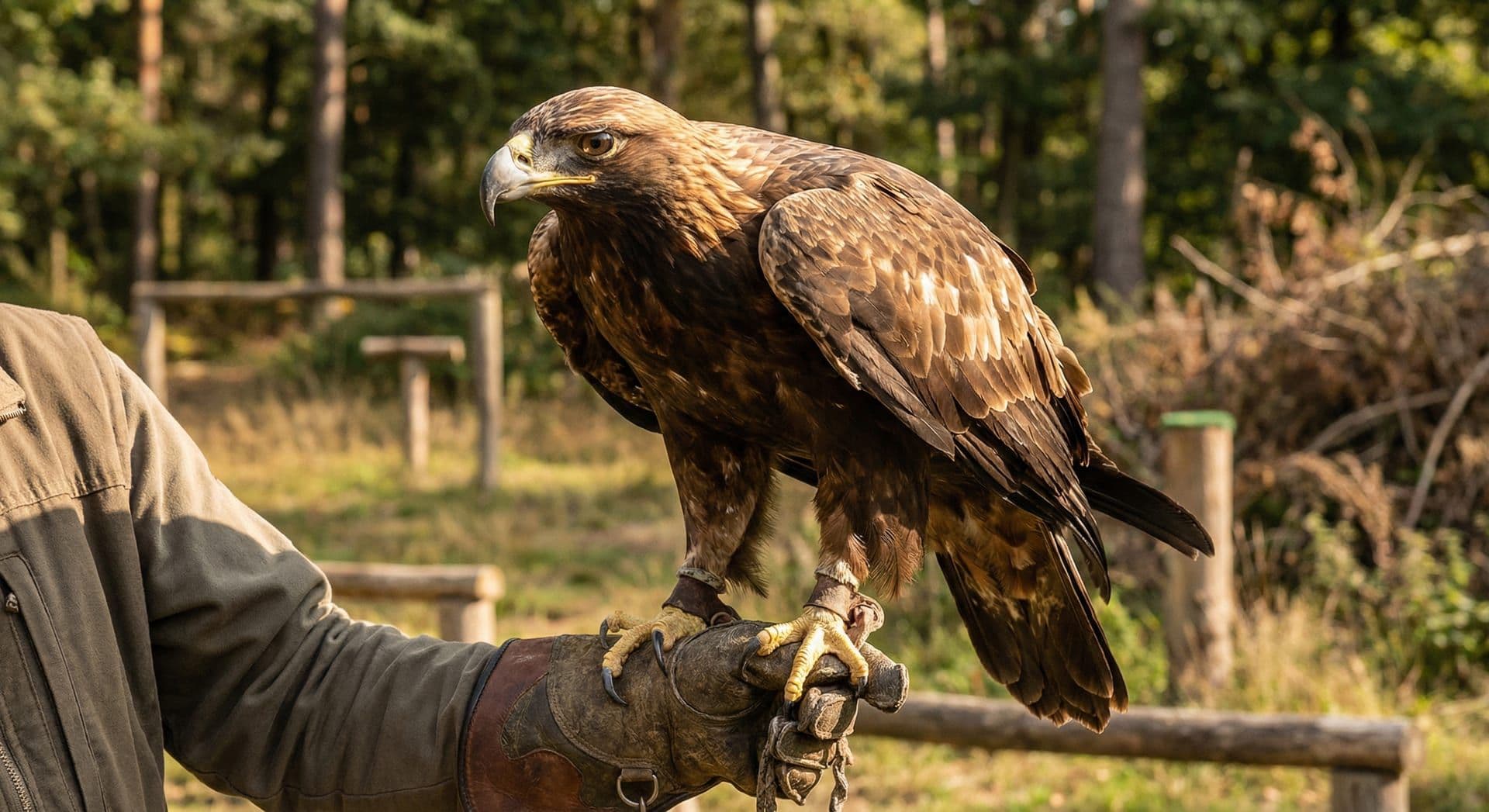
Picture this: a Harris hawk launches from a handler's glove, sweeps low across a field, and returns with perfect precision. A crowd of families watches, phones raised, filming every second. Within an hour, those videos are on Instagram and TikTok: and the searches begin. "Bird of prey experience near Southport," "falconry centre Lancashire," "hawk walk Merseyside."
Wildlife attractions near Southport: bird of prey sanctuaries, falconry centres, and animal encounter experiences: are inherently shareable, inherently searchable, and inherently local. Yet many of these businesses are almost invisible online, buried beneath TripAdvisor listings and aggregator sites that take a commission on every booking.
At Churchtown Media, we help local attractions take back control of their online presence. Here's the SEO strategy for wildlife attractions that want to soar above the aggregators.
The TripAdvisor Problem (And How to Compete)
Search for almost any visitor attraction and TripAdvisor dominates the first page. This isn't accidental: TripAdvisor has spent years building domain authority, accumulating reviews, and creating optimised listing pages for every attraction in the country.
Here's the uncomfortable truth: you probably can't outrank TripAdvisor for your own brand name. But that's not the battle you need to win. The battle you need to win is for the discovery searches: the terms people use before they know your attraction exists.
Discovery Searches You Can Win
- "Bird of prey experience near me": Google prioritises local businesses for "near me" queries
- "Things to do with kids Southport rainy day": Indoor attractions have a huge advantage here
- "Hawk walk Lancashire": Specific experience-based keywords TripAdvisor doesn't optimise for
- "Birthday party ideas Southport children": Event-based searches aggregators rarely target
- "Falconry gift experience Merseyside": Gift voucher searches are high-value and underserved
TripAdvisor ranks for broad discovery terms. Your opportunity is in the specific, local, experience-based searches that lead directly to bookings. These long-tail keywords might have lower individual search volume, but they convert at dramatically higher rates.
Direct Bookings vs. Third-Party Platforms
Every booking through a third-party platform costs you a commission: typically 15-25%. For a wildlife attraction with tight margins, that's the difference between a profitable experience and a loss leader.
SEO is the path to direct bookings. When someone finds your website through organic search and books directly, you keep the full ticket price. But your website needs to make the booking process as seamless as the platforms do.
What Your Booking Page Needs
- Clear pricing: Don't make visitors hunt for how much it costs. Display prices prominently
- Real-time availability: If possible, show which dates and times have spaces. Urgency drives bookings
- Mobile-optimised checkout: Most family bookings happen on phones during evening planning sessions
- FAQ section: "What should I wear?" "Is it suitable for children under 5?" "Can I take photos?" Each FAQ is a potential search query
- Schema markup: Structured data tells Google your prices, ratings, and availability, earning rich snippets in search results
Photography and Video: Your Unfair Advantage
Wildlife attractions produce some of the most compelling visual content imaginable. An owl in flight, a falcon diving, a child's face lighting up as a bird lands on their glove: this content practically begs to be shared.
Yet so many wildlife attractions fail to leverage this content for SEO. Here's how to change that:
Visual Content SEO Checklist
- Optimise image file names: "harris-hawk-flying-southport-sanctuary.jpg" not "IMG_4521.jpg"
- Write descriptive alt text: Every image should describe what's happening for both accessibility and Google
- Create a photo gallery page: Optimised galleries rank in Google Images and drive traffic
- Embed YouTube videos: A 60-second flying display clip on your homepage increases dwell time and engagement
- Encourage visitor photos: Create a branded hashtag and feature visitor photos on your site (with permission): this is free content and social proof
Video content is particularly powerful. YouTube is the second largest search engine in the world, and short clips of bird of prey displays rank well for terms like "bird of prey display UK" and "falconry experience video." Each video is another entry point to your website.
The Gift Experience Market
One of the most underserved search markets for wildlife attractions is gift experiences. "Gift ideas for dad," "unique experience gifts Lancashire," "birthday gift ideas outdoors": these searches spike before Christmas, Father's Day, and Valentine's Day.
A dedicated gift voucher page, optimised for experience-related gift keywords, can generate significant revenue during off-peak months. This is income that arrives before the visitor even sets foot on site, improving cash flow during quieter periods.
Building Authority Through Species Education
Wildlife sanctuaries have a unique content advantage: genuine expertise. The handlers who work with these birds know their behaviour, their conservation status, their history, and their biology. That knowledge is content gold.
A blog series profiling individual species: their hunting techniques, their role in British ecosystems, their conservation challenges: does three things simultaneously:
- Ranks for educational searches: "Peregrine falcon UK conservation," "barn owl habitat Lancashire"
- Demonstrates expertise: Google's E-E-A-T guidelines reward content written by genuine experts
- Creates emotional connection: People who learn about a bird online are more likely to visit to see it in person
Seasonal and Event-Based SEO
Wildlife attractions can create seasonal events that generate their own search traffic: owl evening experiences in autumn, Valentine's hawk walks, Easter holiday workshops for children, half-term activities. Each event is a new landing page, a new set of keywords, and a new reason for Google to crawl your site.
Don't just run events: publish them online months in advance. Google needs time to index and rank pages. A summer holiday event page published in March has three months to build authority before the search spike in June.
Ready to Soar Above the Aggregators?
Get a free SEO audit for your wildlife attraction and start driving direct bookings.
We're local to Southport. Let's make your attraction unmissable online.
Explore more tourism SEO guides: RSPB Marshside, Beach Tourism, Southport Fair.
Written by Damian Roche
Founder & CEO, Churchtown Media
20+ years building websites, 15+ years obsessing over SEO. Based in Southport, helping North West businesses turn traffic into revenue with Next.js and data-driven strategies.
More about DamianNeed Help With This Strategy?
We implement these exact strategies for North West businesses. Get a free audit and see where you stand.
Get Your Free AuditRelated Reading

Need help implementing this?
We help Southport businesses turn these strategies into revenue.
Book Strategy Call